
A conference venue might seat everyone comfortable for the opening presentation. But what happens when everyone comes out for coffee at the same time? Is there enough room for people to get a drink and catch up without queues trailing out of the door? And how easily can delegates get to their breakout rooms when it’s time for the next session?
The fundamentals of planning a conference are much the same as for any other corporate event, but there are a few differences that matter when we’re looking for the right London venue. Delegates are often there all day, moving between presentations, breaks and smaller sessions. It’s not enough for the main room to look good and seat the right number of people. The venue needs to work for the whole programme, and it needs to be somewhere people will feel comfortable spending the day.
That’s where we start at Neon Touch Events. Here’s what we look at when planning a corporate conference in London, from choosing the venue to keeping the day running smoothly.
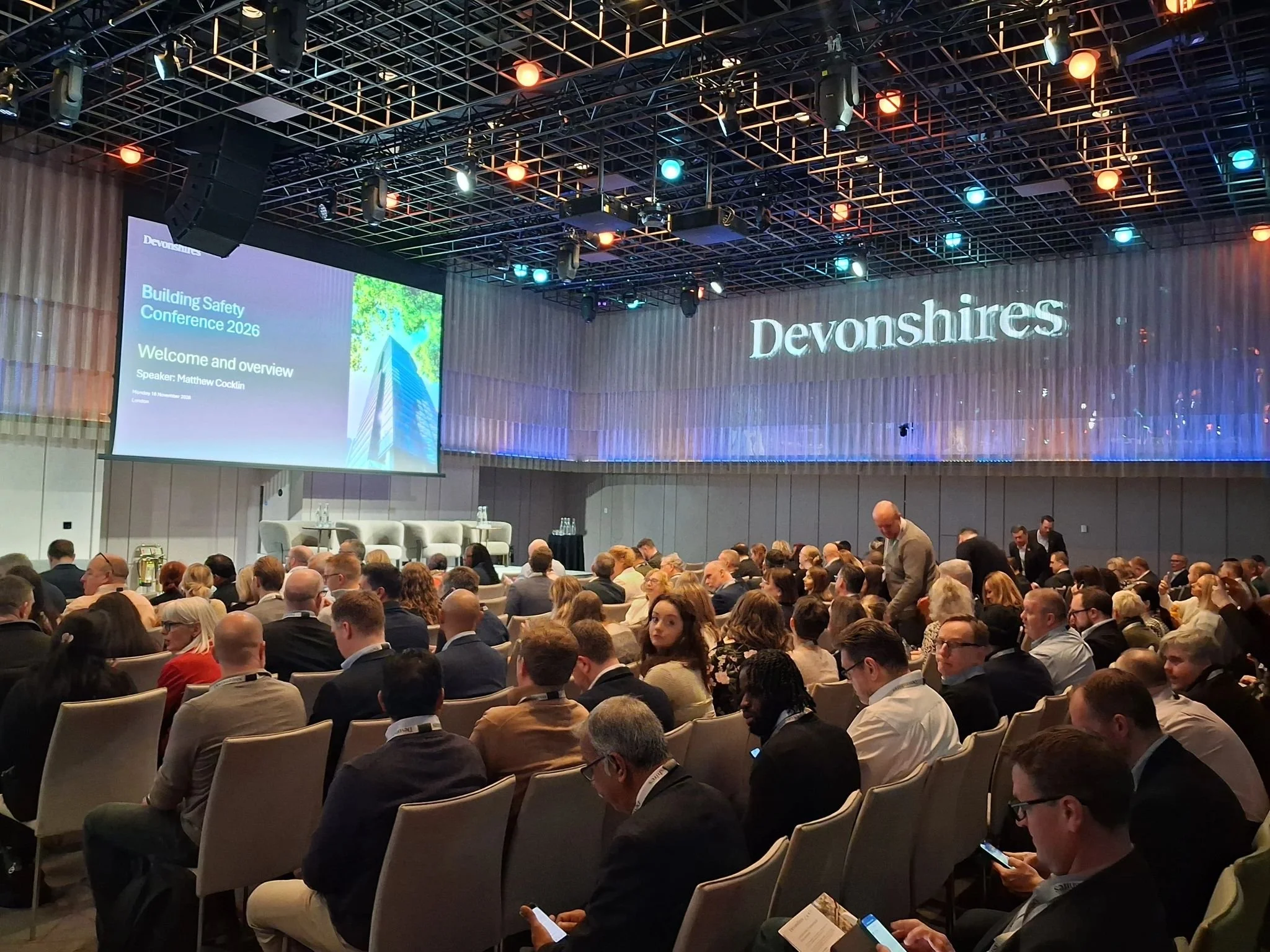
Choosing The Perfect Conference Venue
When we shortlist a London conference venue, we ask for a floor plan showing the room as it would actually be set up on the day. A venue might have a theatre-style capacity of 300, but that figure doesn’t necessarily tell you how many seats you’ll have once you’ve allowed for a stage, screens, a sound desk and clear aisles. This is key information we need to find out first, before we recommend the venue to a client.
On a site visit, we like to walk the route delegates will take, starting at the front door. Where will registration go? If people arrive with coats and bags, is there space to check them in without holding up the entrance? And if two breakout sessions start at the same time, can everyone get where they need to go without relying on one lift or a narrow corridor? We check the step-free route between rooms too, rather than just asking whether the building is accessible.
I’d also ask which spaces we’ll have to ourselves. A foyer might look generous when it’s empty, but if another group is breaking for lunch at the same time, it may feel very different. Sometimes we will recommend a venue with a less impressive main room because the spaces around it work better for the day the client has planned.
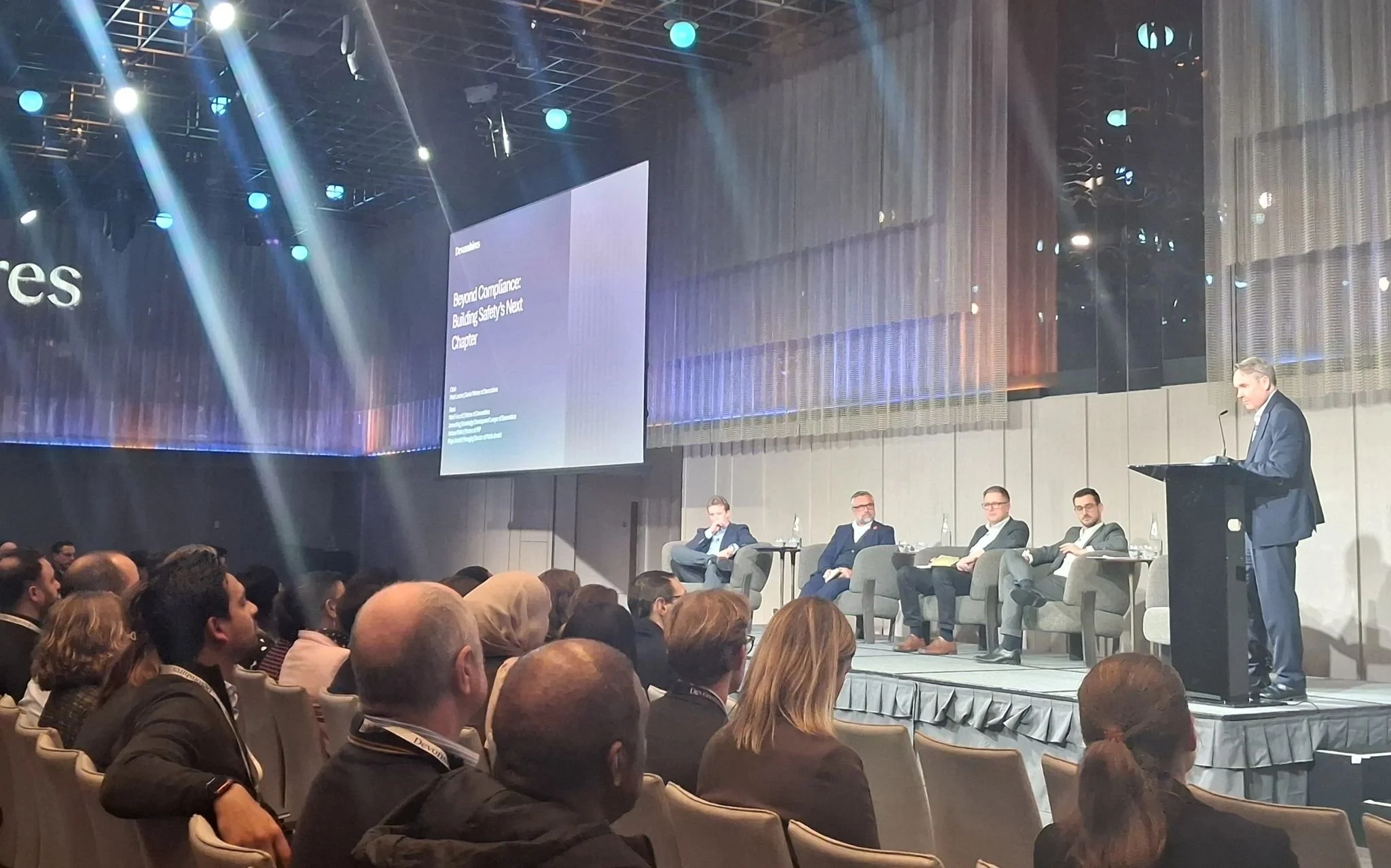
Turn The Conference Programme Into A Practical Running Order.
The client’s programme tells delegates what’s happening and when. Our running order tells the venue, caterers and production team what needs to happen to make those timings work. If a panel starts at 11.30, the panellists need to be mic’d up before then, the production team needs to know who’s going on first, and someone needs to let delegates know it’s time to come back into the room.
We always look closely at what’s happening just before a break. If a Q&A runs ten minutes over, it’s tempting to make up the time by shortening lunch. But lunch may be the only chance colleagues from different offices have to sit down together, and the catering team still needs time to serve everyone. I’d agree with the client in advance which timings are fixed and where there’s room to adjust, so we’re not making that decision in the moment.
We also make sure everyone knows who will make that call on the day. If a session overruns, the venue, caterers and production team need to hear the same revised timing. Otherwise, you can have lunch ready to serve while the room is still in the middle of a presentation.
Test The Production Before The Doors Open.
When we check a conference room, I like to sit at the back. A slide can look perfectly clear on a laptop and be unreadable from the last row. The same goes for sound: it’s worth hearing someone speak through a microphone from where delegates will actually be sitting, especially in a room where a quiet panel discussion needs to carry as clearly as the opening keynote.
The client owns the presentations. Our job is to make sure their speakers and the production team know what’s happening on stage. A rehearsal is the time to check the things a speaker shouldn’t have to work out in front of a room full of people: where to stand, whether they’re advancing their own slides and who’s giving them the cue to start.
We also run any videos from the laptop the production team will use on the day, with the sound going through the room’s speakers. It’s a much better test than opening the file on someone’s laptop and assuming it’ll play the same way on stage. If a presentation changes on the morning, make sure there’s one person taking the updated file and handing it to production. That way, the speaker isn’t opening with, “Sorry, that’s the old version.”
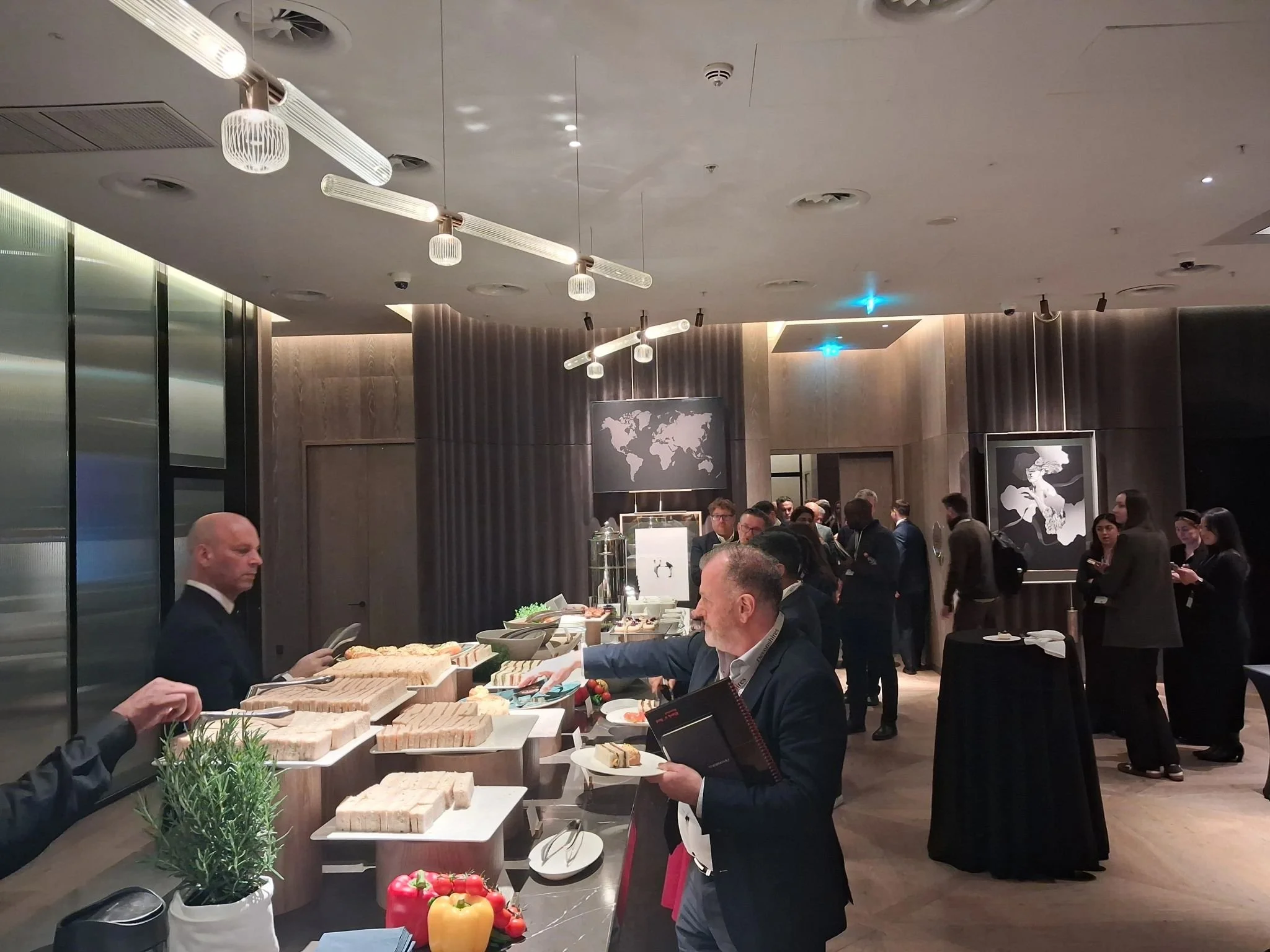
Make Time For Good Food, Proper Breaks and Connection.
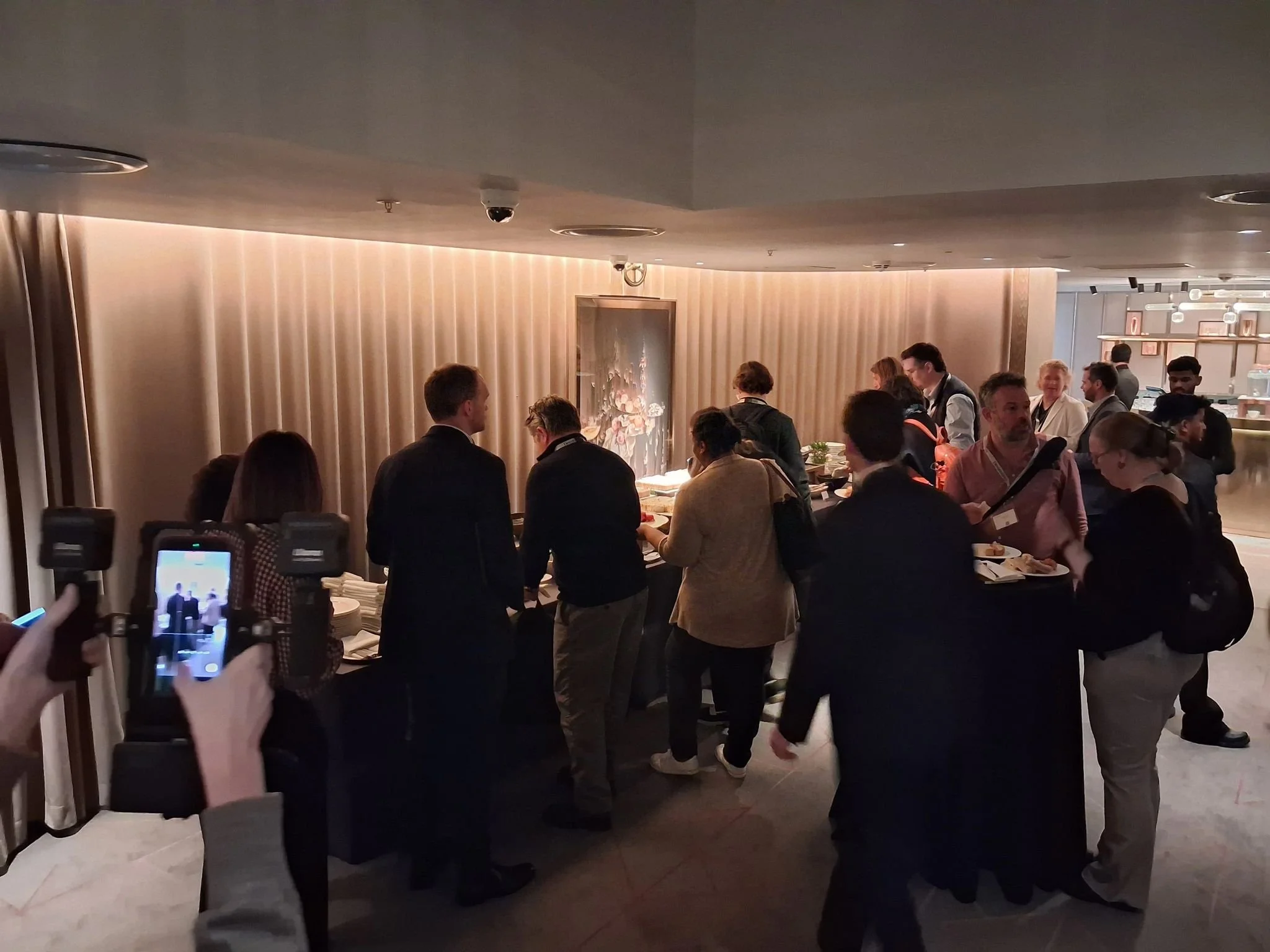
We like to build in regular coffee breaks and keep water available throughout the day. If there’s only one coffee station, a good chunk of a 20-minute break can disappear in the queue. For a larger conference, we confirm how many stations they’ll have and where they’ll put them before agreeing the timings.
At a recent conference, delegates had been sitting all morning, so we opted for a mostly standing working lunch, with a mix of furniture and a few seats for anyone who wanted to sit down. After a morning of presentations, it was a chance to stretch their legs, move around and chat to people they hadn’t been sitting near. That’s what I like about this format: lunch does some of the work of networking without needing a separate slot in the programme.
If most people are going to eat standing up, I’d choose food that’s easy to eat without a knife and fork, and make sure there are places to put a glass down. I’d also agree with the caterer how dietary requirements will be handled so nobody spends their lunch break looking for the right meal.
Create A Moment Of Surprise
A gala should have moments of discovery. Even when the format follows the familiar rhythm of reception, dinner and dancing, there is room to surprise guests.
That might be a reveal as the dining room doors open, performers appearing among the tables or a separate afterparty space with a completely different look and energy.
At Neon Touch, we consider where an unexpected moment will have the greatest effect. Guests do not need to know everything in advance; allowing the evening to reveal itself can build anticipation and keep people curious about what comes next.
The surprise should suit the audience and feel connected to the occasion. Timing, visibility and sound all matter—a wonderful idea loses its impact if only a handful of tables can experience it.
Done well, these moments give the gala personality and bring the whole room together.
Make It Easy For Delegates To Know Where To Go.
We like to have a simple schedule outside each breakout room showing what’s on now, what’s coming up next and when it starts. If several sessions are running at once, delegates can check they’re in the right place without having to pull up the full programme on their phone.
Wherever possible, we like to use what we call human signage: members of the event team on hand to point people in the right direction and answer questions. They’re especially useful during the first breakout changeover, when everyone is still getting to know the venue.
I’d also keep a clearly marked information desk staffed throughout the day. It can be the same desk guests checked in at that morning, so they already know where it is. Whether someone has missed a room change or simply needs to know where they left their coat, there’s always a place they can go and ask.

Planning A Conference In London?
At Neon Touch Events, we bring our expertise to every stage of conference planning, from finding the right London venue to managing production, catering and logistics on the day. If you’d like our support with your next conference, we’d love to hear what you’re planning. Get in touch to discuss your event.
-
Start looking as soon as you know your likely dates, delegate numbers and how many rooms you need. I’d allow several months where possible, and start earlier if your date is fixed or you need several breakout rooms at the same time. It’s worth asking the venue to confirm those rooms are available for the hours you need them before you commit to the main space.
-
The cost depends on the venue, delegate numbers, catering and how much production the day needs. If you’re comparing day delegate rates, ask for an itemised quote. One venue might include the main room, lunch and basic AV, while another charges separately for breakout rooms, a technician or access the evening before. Compare the total cost of running your programme, not just the price per person
-
Ask for a floor plan based on your actual setup, including the stage, screens and sound desk. Then look at how the rooms work together: can everyone get to their breakout sessions in the time allowed, and is there enough room to serve lunch without holding up the afternoon? I’d also check how easy the venue is to reach for delegates travelling from outside London.
-
I’d plan regular coffee breaks and keep water, tea and coffee available throughout the day. If delegates have been sitting all morning and you want them to mingle, a mostly standing working lunch with some seating can work well. Choose food that’s easy to eat while chatting, and make sure people with dietary requirements know where to collect their meals.
-
At Neon Touch Events, the client leads on the content and we manage what needs to happen around it. That can include venue sourcing, catering, AV and production, delegate registration, the running order and on-site management. We bring those teams together so the client can focus on hosting, rather than having to brief three suppliers every time a session runs late.